
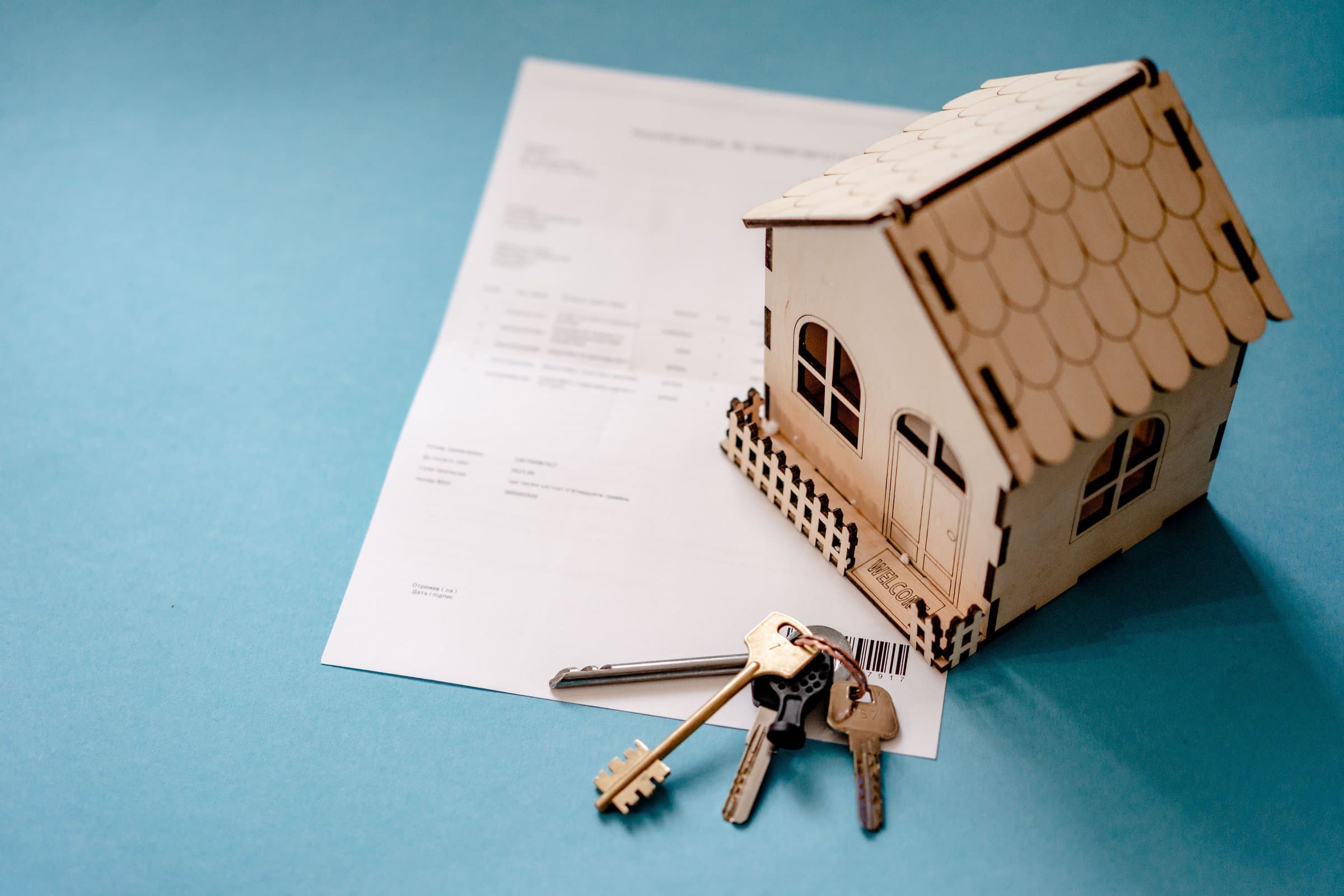
Buying property from a real estate developer, often off-plan, commits the buyer based on promises that do not always materialize as expected. Delivery delays, construction defects, non-conformity with the original plans: these unfortunately common situations do not leave the buyer without options against a defaulting developer.
What makes off-plan purchases distinctive is the time gap between the financial commitment, often staggered from the reservation stage, and the actual delivery of the property: this gap, normal in principle, becomes problematic when the developer fails to meet the announced schedule or specifications, leaving the buyer in a prolonged and sometimes anxious state of waiting.
The Developer's Obligations Toward the Buyer
The reservation contract and then the final sale contract precisely set out the developer's obligations: delivery deadline, technical specifications, and conformity with the plans and descriptions presented at the time of sale. These contractual documents are the essential reference in case of a dispute, which is why they should be carefully kept and reviewed by a professional before signing rather than after a problem arises.
A poorly negotiated contract from the outset, with clauses too favorable to the developer or insufficiently precise on deadlines and penalties, considerably complicates later remedies — which fully justifies investing in a legal review before any major financial commitment.
What to Do About a Delivery Delay
A delay beyond the contractually agreed deadline in principle gives rise to a right to compensation, particularly where the contract provides for specific late-delivery penalties. It is essential to formalize the delay through a written formal notice, which officially marks the starting point of the claimed harm and prepares, if needed, for later legal action. Compensable harm is not always limited to contractual penalties: additional costs, such as temporary extra rent made necessary by the delay, can also be taken into account depending on the circumstances.
Defects and Non-Conformity: How to Respond
Faced with construction defects or a significant gap between the delivered property and what was promised, the buyer has remedies to demand conformity, a price reduction, or even damages depending on the severity of the shortcomings found. Building a precise photographic and technical file, ideally with the support of a building expert, considerably strengthens the buyer's position in discussions with the developer. It is advisable to complete this documentation before any corrective work by the developer, so as to keep an objective record of the initial state of the defects found.
The Ten-Year Warranty and Legal Guarantees
Beyond specific contractual warranties, the law provides legal guarantees protecting the buyer against certain serious defects affecting the structural soundness of the building, for a set period after delivery. Knowing the precise scope and duration of these guarantees allows action to be taken within the useful time limits, rather than discovering too late that a claim is no longer admissible. These guarantees add to, without replacing, any specific contractual clauses the developer may have granted, which should also be carefully checked.
The Amicable Route Before Litigation
Before starting judicial proceedings, often lengthy, a structured amicable approach — formal notice, mediation meeting, compensation proposal — frequently resolves the dispute faster and at lower cost. This step should, however, never replace serious legal preparation of the case, at the risk of negotiating from a position of weakness. A developer mindful of their reputation, particularly one still marketing other projects, often prefers a quick agreement over letting a dispute become public knowledge.
Going to Court: In Which Cases?
When the amicable route fails, the buyer can bring the matter before the competent court to assert their rights, based on the developer's contractual liability. This route requires a solid, well-documented case, and a realistic assessment of the harm actually suffered, rather than a disproportionate claim that would weaken the case's credibility before the judge.
Protecting Yourself Before You Buy
The best protection against this type of dispute remains preventive: checking the developer's financial soundness and reputation, having the contract reviewed before signing, and staggering payments based on actual progress of the work rather than a simple theoretical schedule. These precautions, taken upfront, very often avoid long and costly disputes.
When Should You Consult a Lawyer?
Whether before signing a reservation contract or facing an existing dispute, legal support helps secure the transaction and effectively defend the buyer's rights. The Cabinet Kaboury, in Rabat, supports clients in their real estate transactions and disputes with developers, from contract review through representation before the courts, aiming, whenever possible, for a fast and balanced outcome for the client.